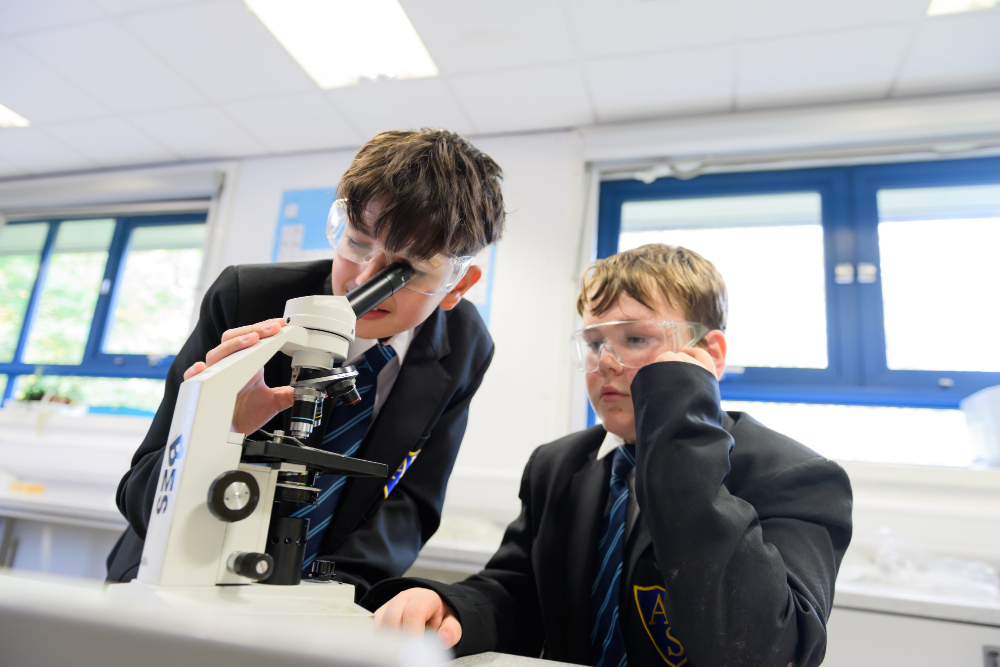
The GCSE specification in chemistry enables students to:
- develop scientific knowledge and conceptual understanding through chemistry
- develop understanding of the nature, processes and methods of science through different types of scientific enquiries that help them to answer scientific questions about the world around them
- develop and learn to apply observational, practical, modelling, enquiry and problem-solving skills, both in the laboratory, in the field and in other learning environments
- develop their ability to evaluate claims based on chemistry through critical analysis of the methodology, evidence and conclusions, both qualitatively and quantitatively.

The GCSE specification in biology enables students to:
- develop scientific knowledge and conceptual understanding of biology
- develop understanding of the nature, processes and methods of biology through different types of scientific enquiries that help them to answer scientific questions about the world around them
- develop and learn to apply observational, practical, modelling, enquiry and problem-solving skills, both in the laboratory, in the field and in other learning environments
- develop their ability to evaluate claims based on biology through critical analysis of the methodology, evidence and conclusions, both qualitatively and quantitatively.

Combined science is divided into two sections. Each section is delivered by a different teacher. Both sections include topics that draw together and apply key concepts. Examples in Life and environmental sciences include Radiation and risk and The Earth’s atmosphere. In these topics, earlier work on atomic structure, waves and electromagnetic radiation is used to explain the effects of different types of radiation on human tissues and on the climate. An example in Physical sciences is Resources of materials and energy, which introduces life cycle assessment as a way of evaluating the impacts of using materials and energy to manufacture useful products.

This course is a vocational course aimed at students with an interest in a career in the sports industry. It involves theory and practical elements in a range of units.
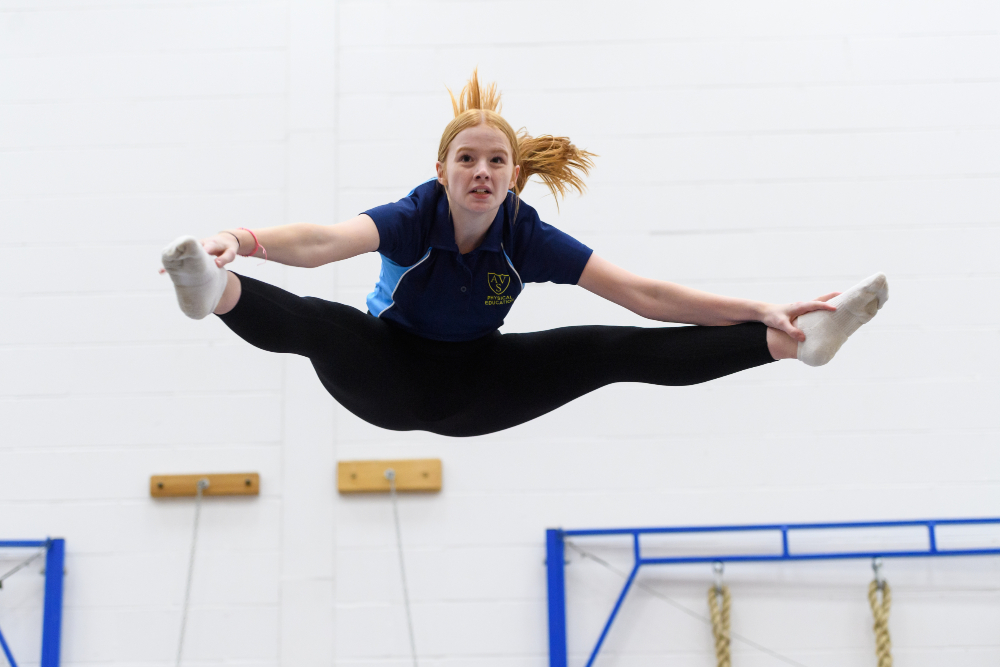
This course is very scientific and looks at various theoretical aspects of how the body responds to exercise and contemporary issues in sport. It also assesses the learner in three practical activity areas.
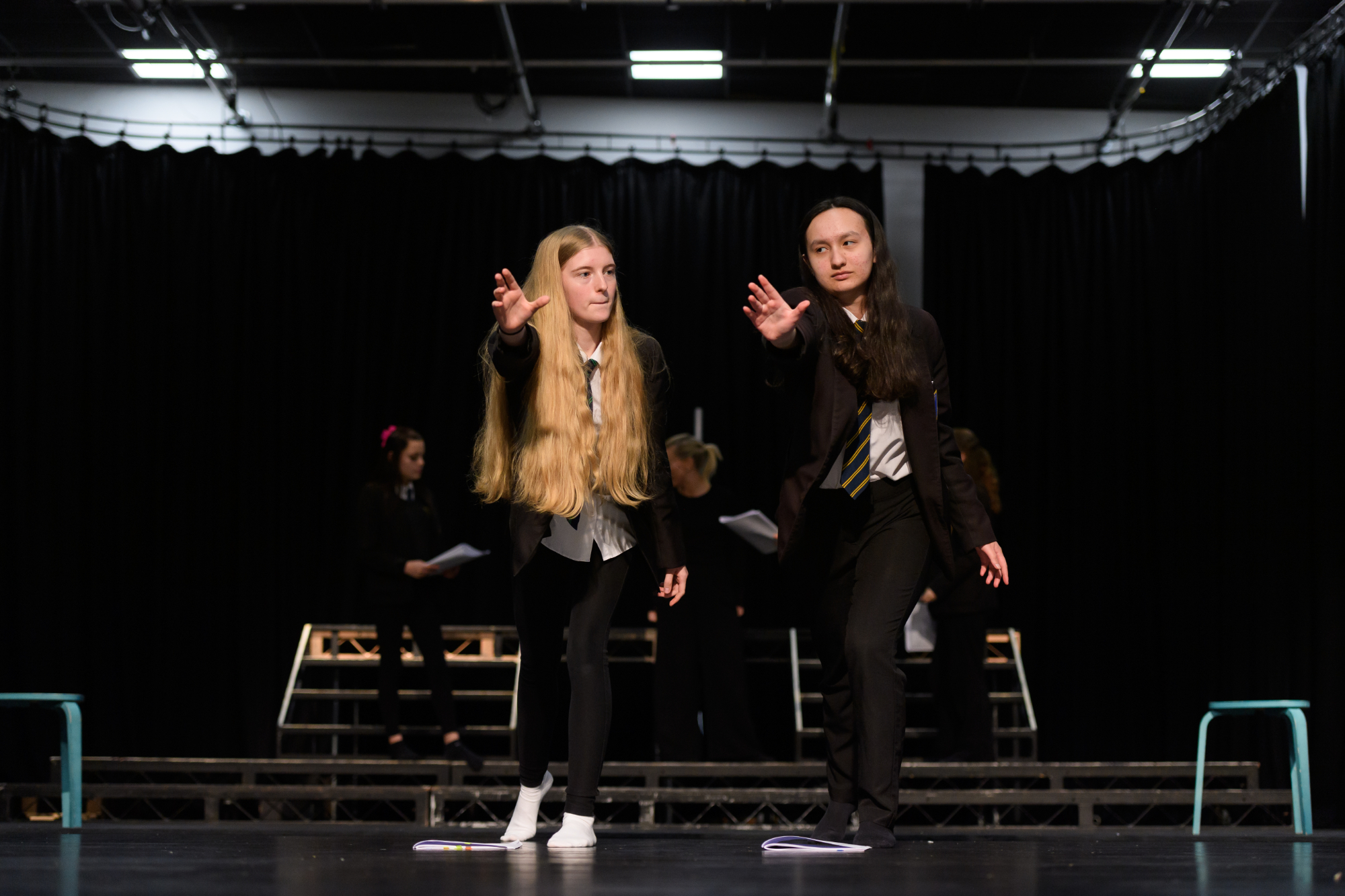
The BTEC Tech Award in Performing Arts – Dance approach is a practical course, designed for students who are enthusiastic about dance and the dance industry. It is a powerful and inspiring qualification that encourages students to develop as artistic and imaginative learners whilst fostering creativity through their personal journey as a dancer, whatever their previous experiences in the subject. The BTEC Tech Award qualification is equivalent to one GCSE grade.

