In addition to GCSE mathematics, the department offers Edexcel GCSE statistics as a Year 10 option for students studying higher tier mathematics (typically sets 1 and 2). Statistics is the study of data and what it tells us about the world, and it plays a major role in many modern subjects, careers and real-life decision making.
Students develop their understanding of how data is collected, represented, analysed and interpreted. The course includes work on different types of data and sampling methods, statistical diagrams, such as pie charts and scatter graphs, and the use of summary statistics and probability to identify patterns, trends and relationships. Students also apply these techniques to real-world contexts, including populations, climate, science, business and social issues.
The course is designed to develop students’ ability to think critically about data, including recognising how statistics can be used to inform, persuade and mislead. It also supports and strengthens learning in GCSE mathematics and provides strong preparation for A level mathematics and other subjects that make use of statistical analysis.
Edexcel GCSE statistics is assessed through two 90-minute calculator examinations at the end of the course.
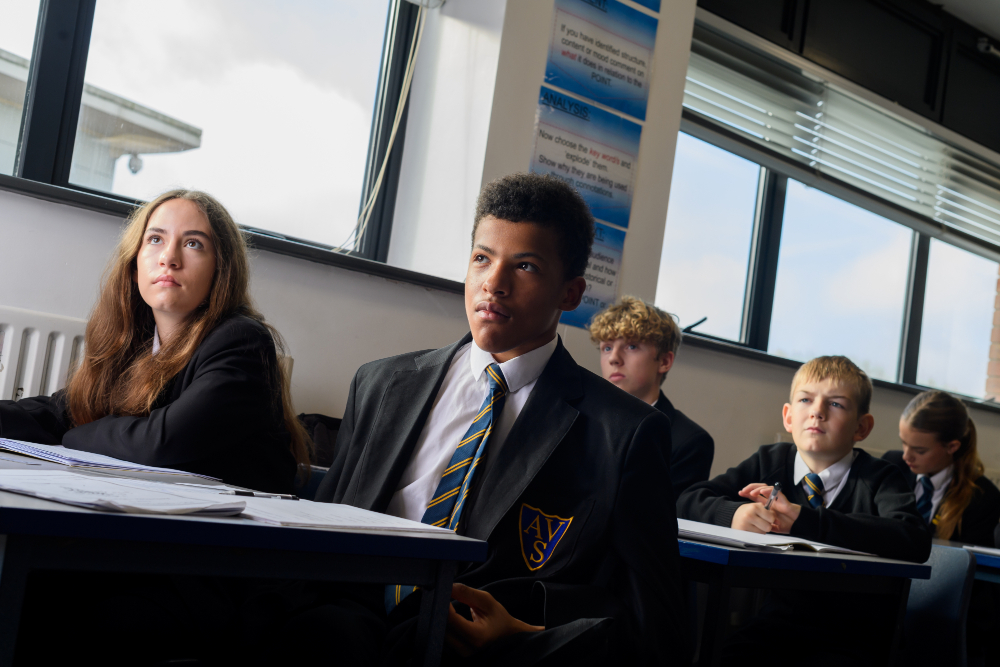
Religious Education is a stimulating GCSE course that provides a great opportunity for students to reflect and explore current issues and to develop social, cultural, political and historical awareness.
While studying this course pupils will undertake two components; the study of Religion: where students will study the key beliefs, teachings and practices in two religions: Christianity and Islam and Thematic Studies: which will enable students to utilise their knowledge of the religions studied and to discuss and reflect on religious responses to various philosophical and ethical issues.
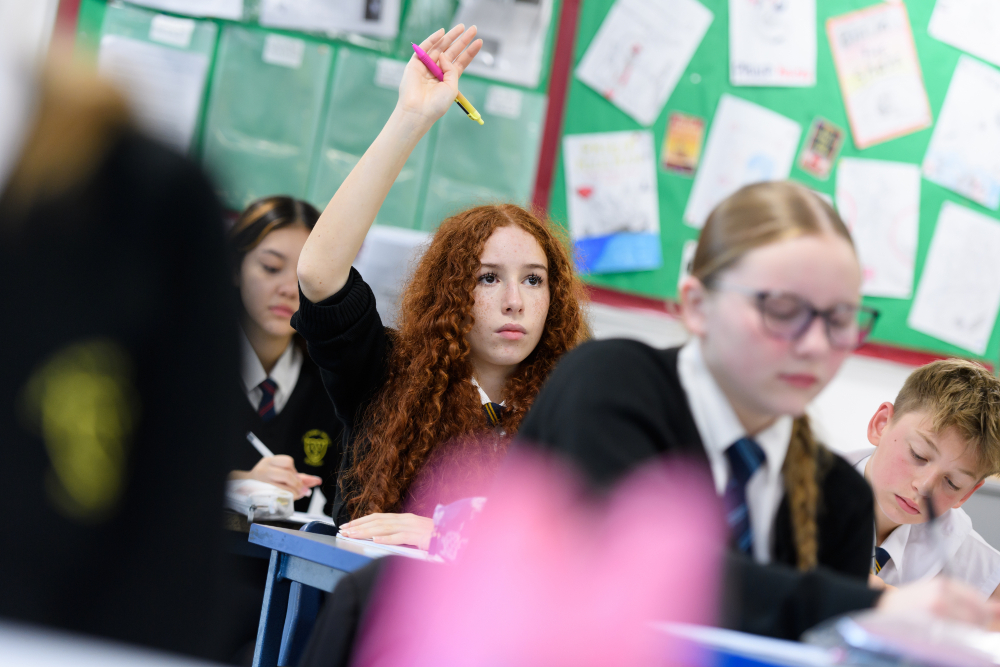
In addition to helping students acquire subject knowledge, the Edexcel specification provides a sound understanding of methods and approaches in psychology at an introductory level. It also illustrates these methods and approaches through various topic areas representing the core areas of social, cognitive, developmental, biological and individual differences. The course develops investigation and report writing skills, along with analytical and critical thinking skills.
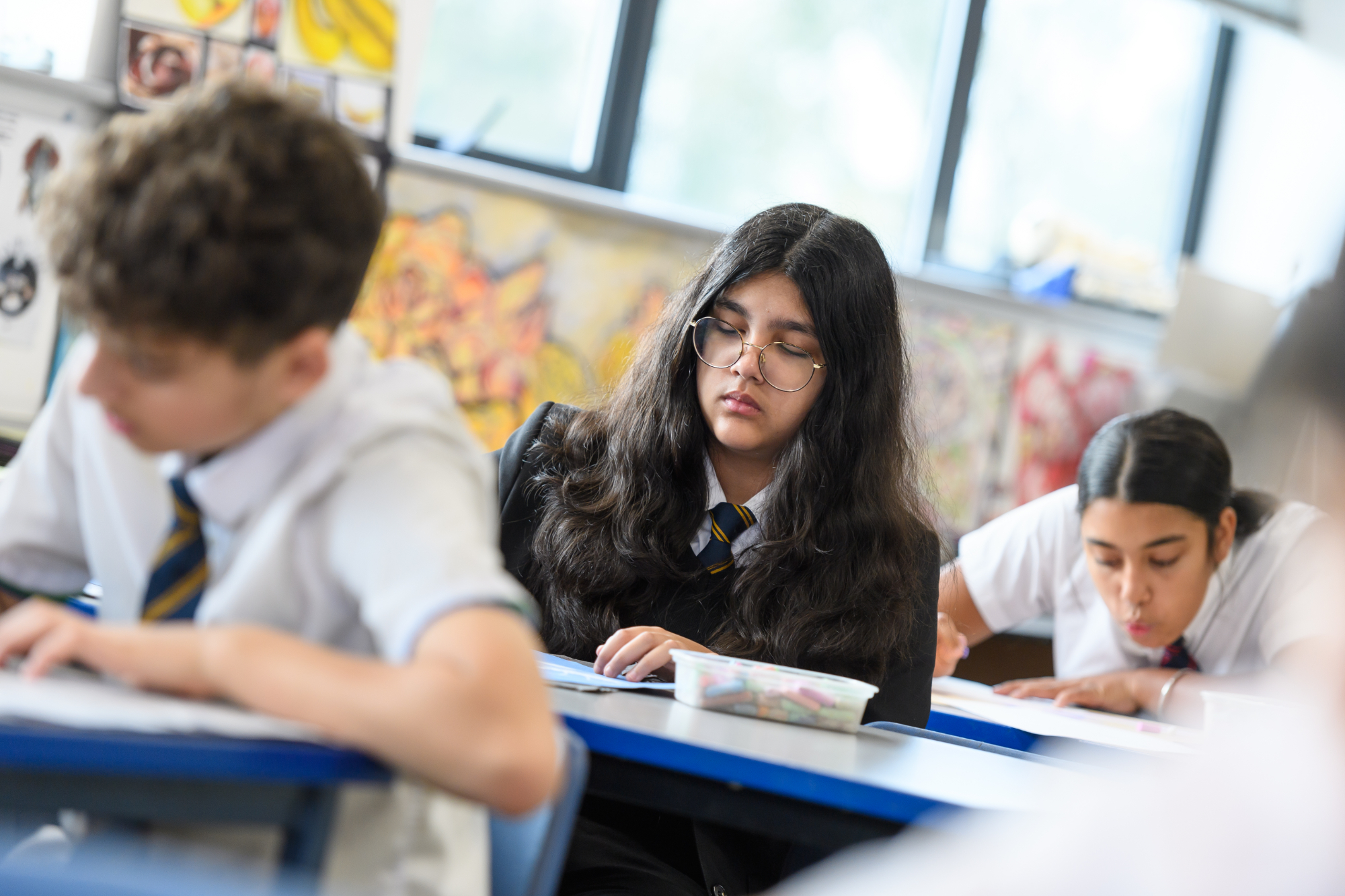
This course will extend students’ knowledge of history by studying new topics and revisiting previous topics to extend knowledge and embed historical skills. Topics chosen are an exciting mix of social and political history spanning from Medieval and Tudor England, The American West to Nazo Germeny. The course supports progression to A Level.
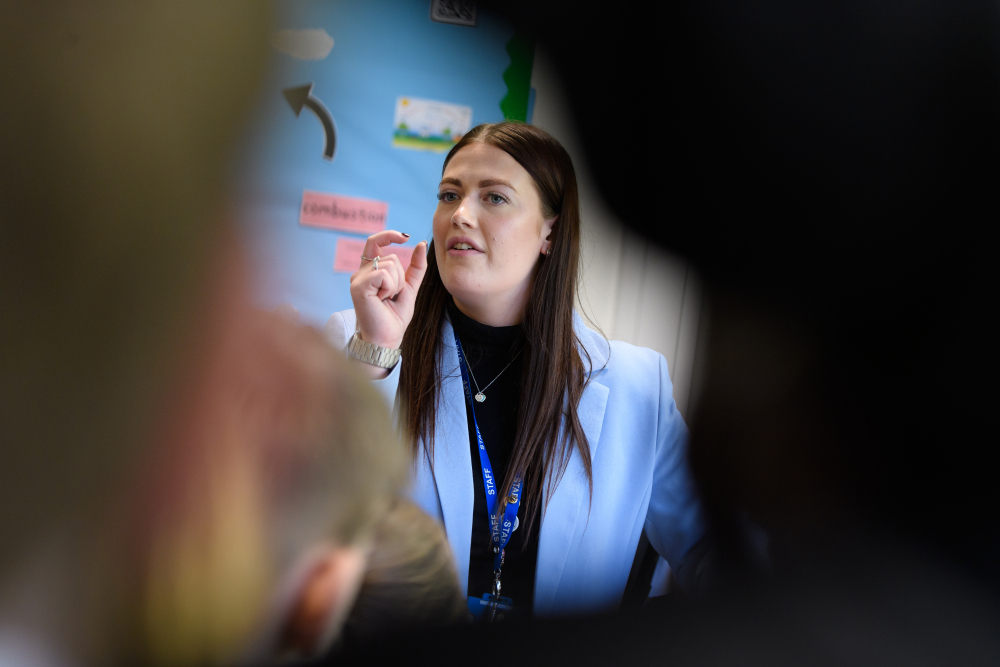
This exciting course is based on a balanced framework of physical and human geography. It allows students to investigate the link between the two themes, and approach and examine the battles between the man-made and natural worlds.

GCSE specifications in Physics should enable students to:
- develop scientific knowledge and conceptual understanding of physics
- develop understanding of the nature, processes and methods of physics
- develop and learn to apply observational, practical, modelling, enquiry and problem-solving skills, both in the laboratory, in the field and in other learning environments
- develop their ability to evaluate claims based on physics through critical analysis of the methodology, evidence and conclusions, both qualitatively and quantitatively.

