

The Design & Technology Faculty teaches strands of the design and technology curriculum to Key Stage 3 students and offers design and technology and hospitality and catering to students in Key Stage 4.
The faculty has specialised rooms for each of the different areas of the curriculum, which are fully resourced and utilized by our students. We aim for students to leave school not just with qualifications, but with skills for life.
A brief overview of the topics covered by the faculty
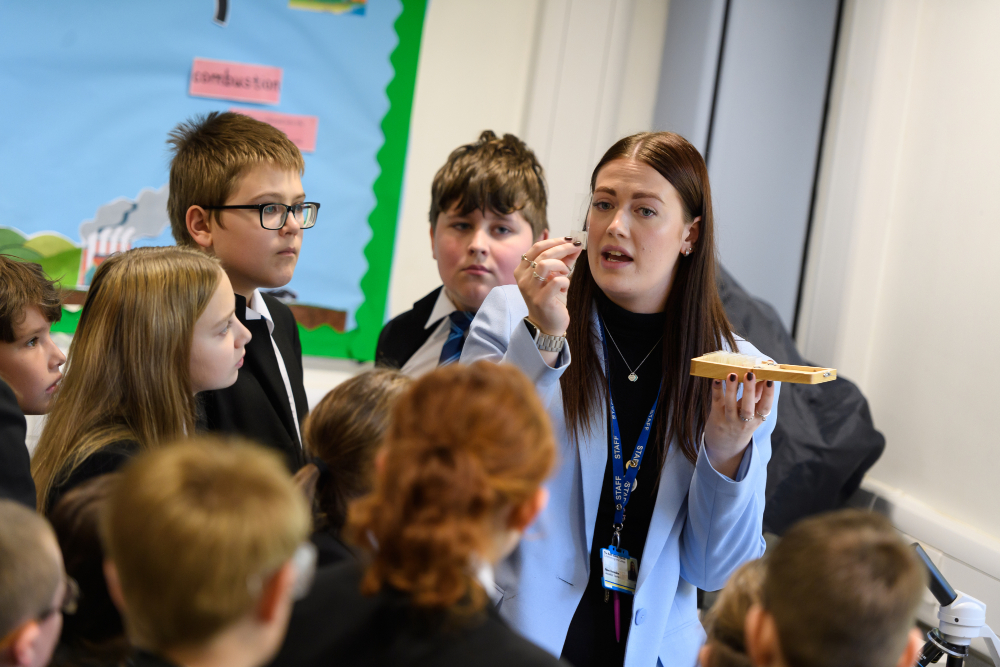
Students in Years 7 and 8 are on a carousel in DT and will move across different material areas at the end of each term.
Food Technology in Year 7
Food Technology in Year 8
Food Technology in Year 9
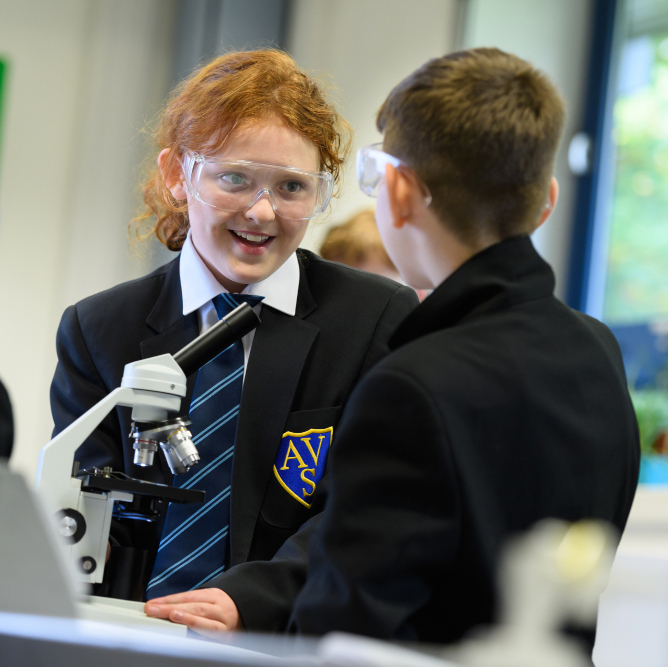
Students in Years 7 and 8 are on a carousel in DT and will move across different material areas at the end of each term.
Graphics in Year 7
Graphics in Year 8
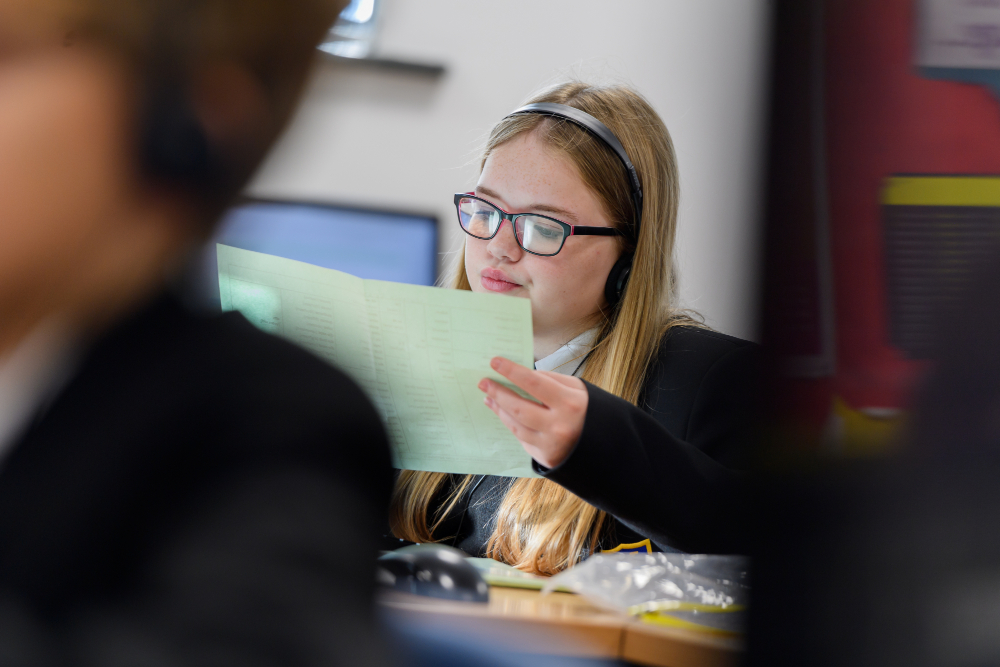
Students in Years 7 and 8 are on a carousel in DT and will move across different material areas at the end of each term.
Product Design in Year 7
Product Design in Year 8
Product Design in Year 9
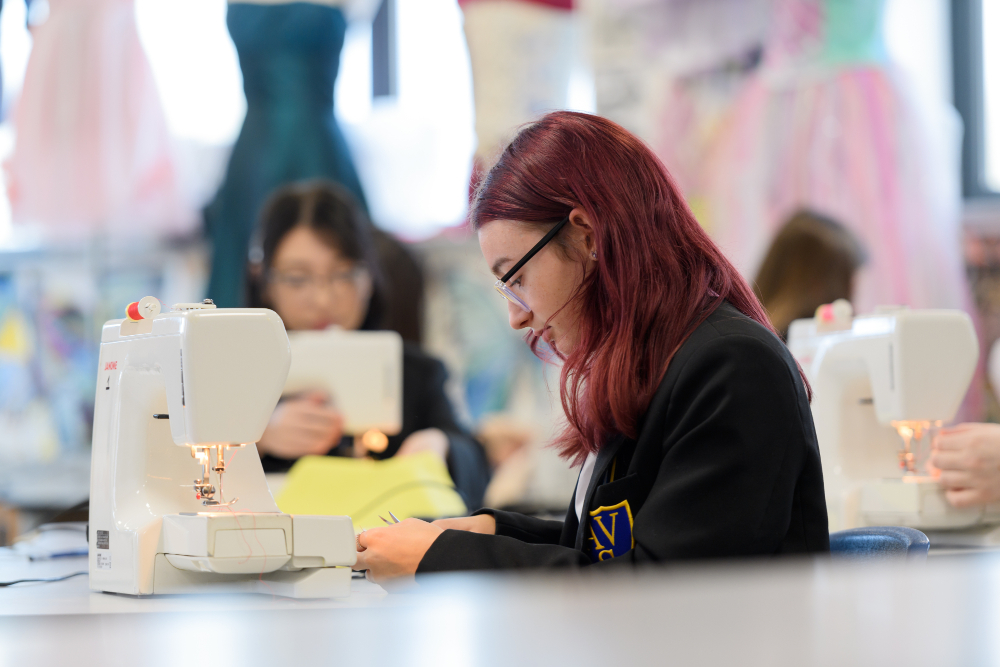
Students are on a carousel in DT in Years 7 and 8 and will move across different material areas at the end of each term.
In Year 9, students have 2 timetabled lessons per fortnight, delivered across two different material areas. As a result, students work with each technology teacher once per fortnight.
Textiles in Year 7
Textiles in Year 8
Textiles in Year 9
Students work independently and choose one of two themes:
This unit introduces students to designing from a single starting point or theme.
Throughout the unit, students will experiment with a wide range of tools, techniques and materials to develop and present a well-crafted, thoughtful outcome.
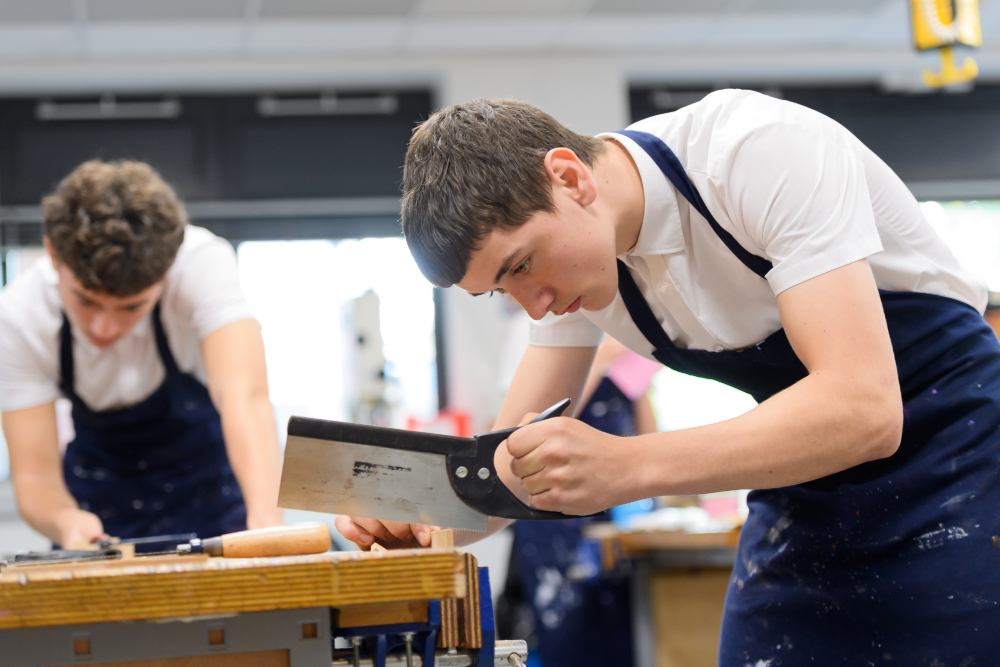
GCSE (9-1) Design & Technology
The Eduqas GCSE in Design and Technology offers a unique opportunity in the curriculum for learners to identify and solve real problems by designing and making products or systems. Through studying GCSE Design and Technology, learners will be prepared to participate confidently and successfully in an increasingly technological world; and be aware of, and learn from, wider influences on design and technology, including historical, social/cultural, environmental and economic factors.
A mix of short answer, structured and extended writing questions assessing candidates’ knowledge and understanding of: technical principles designing and making principles along with their ability to analyse and evaluate design decisions and wider issues in design and technology.
How it’s assessed
Written examination: 2 hours worth 50% of qualification
A sustained design and make task, based on a contextual challenge set by WJEC, assessing candidates’ ability to: identify, investigate and outline design possibilities, design and make prototypes, analyse and evaluate design decisions and wider issues in design and technology.
How it’s assessed
Non-exam assessment: approximately 35 hours worth 50% of qualification
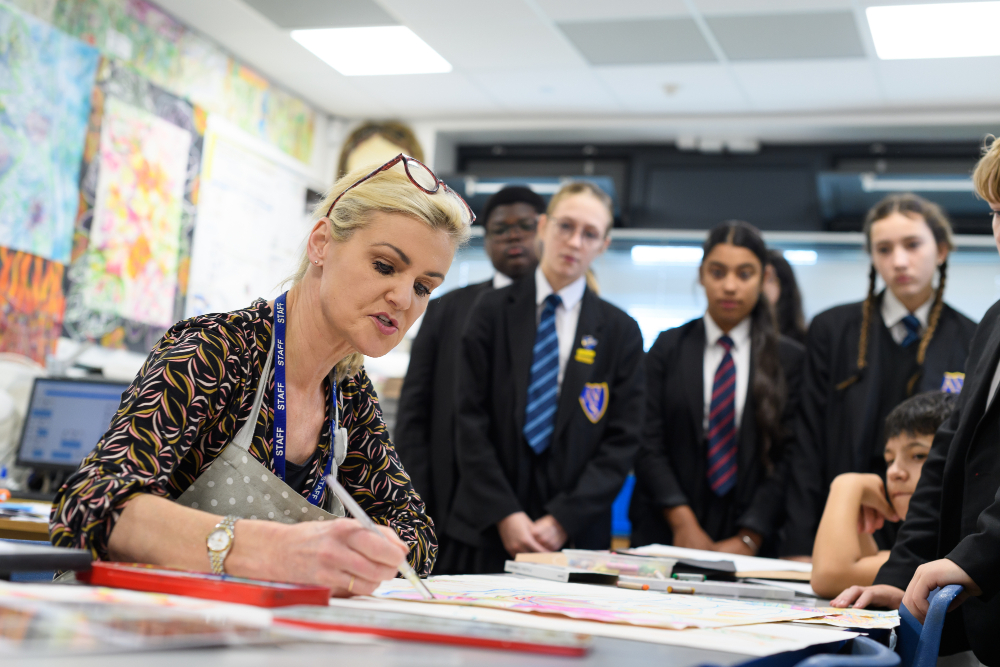
Level 1/2 Technical Award in Hospitality and Catering
The Eduqas/WJEC Level 1/2 Award in Hospitality and Catering has been designed to support learners in schools and colleges who want to learn about this vocational sector and the potential it can offer them for their careers or further study.
This Award is equivalent to a GCSE and is graded Pass, Merit, and Distinction.
It is suitable as a foundation for further study, possibly to Level 3 in Food and Nutrition in Further Education, providing learners with a core depth of knowledge and a range of specialist and general skills that will support their progression to further learning and employment.
A mix of short answer, structured and extended writing questions assessing candidates’ knowledge and understanding of;
How it’s assessed
The applied purpose of this unit is for learners to safely plan, prepare, cook and present nutritional dishes.
There will be a 4-hour practical exam towards the end of the course which involves learners planning and making 4 courses for a chosen target group.
How it’s assessed
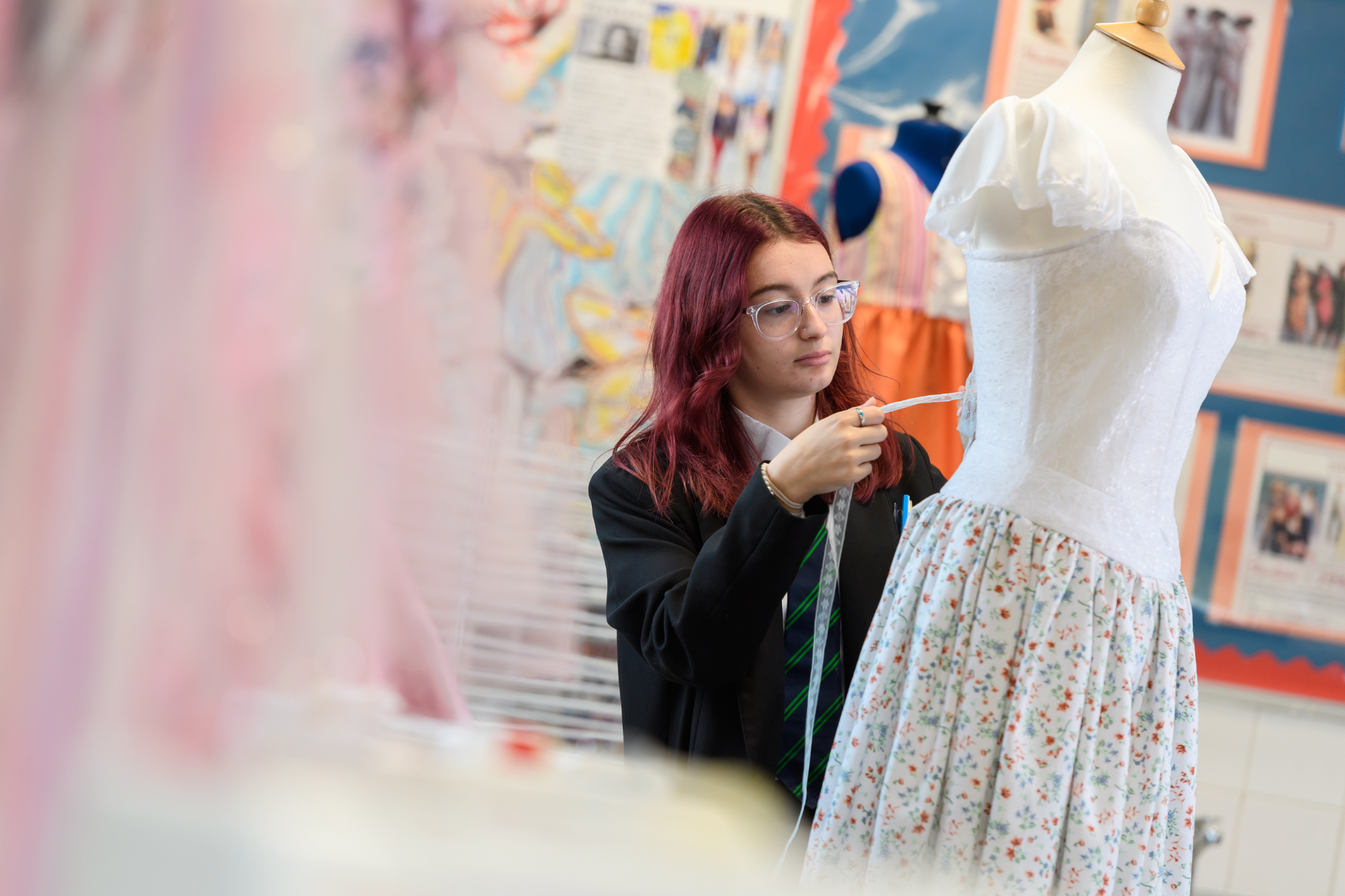
OCR Art and Design – Textile Design (J174) GCSE graded 9 – 1
Students will work on their own individual projects where they will explore ideas, experiment with media, materials, techniques and processes. They will then present a personal and meaningful response that realises intentions and demonstrates understanding.
Students select their own topic of choice and work independently with one to one teacher tutorials to create a body of experiments and work to lead on to creating a purposeful and meaningful final piece of art
How it’s assessed
Students are given 5 different themes set by the exam board. Students will follow the same pattern as the portfolio work but working under one of the exam board themes. The final piece of Art work is completed in 10 hours under exam conditions (spread over 3-4 days)
How it’s assessed
Externally set task, 10 hours non exam assessment worth 40%
(internally assessed and externally moderated)